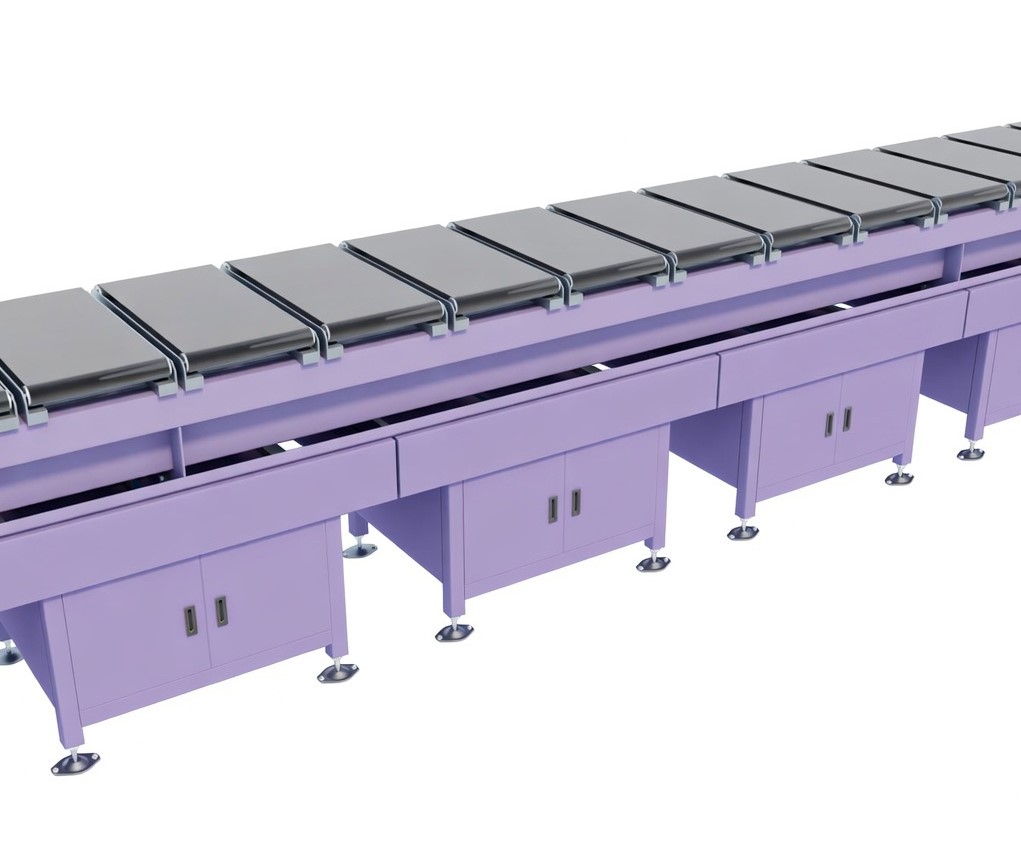
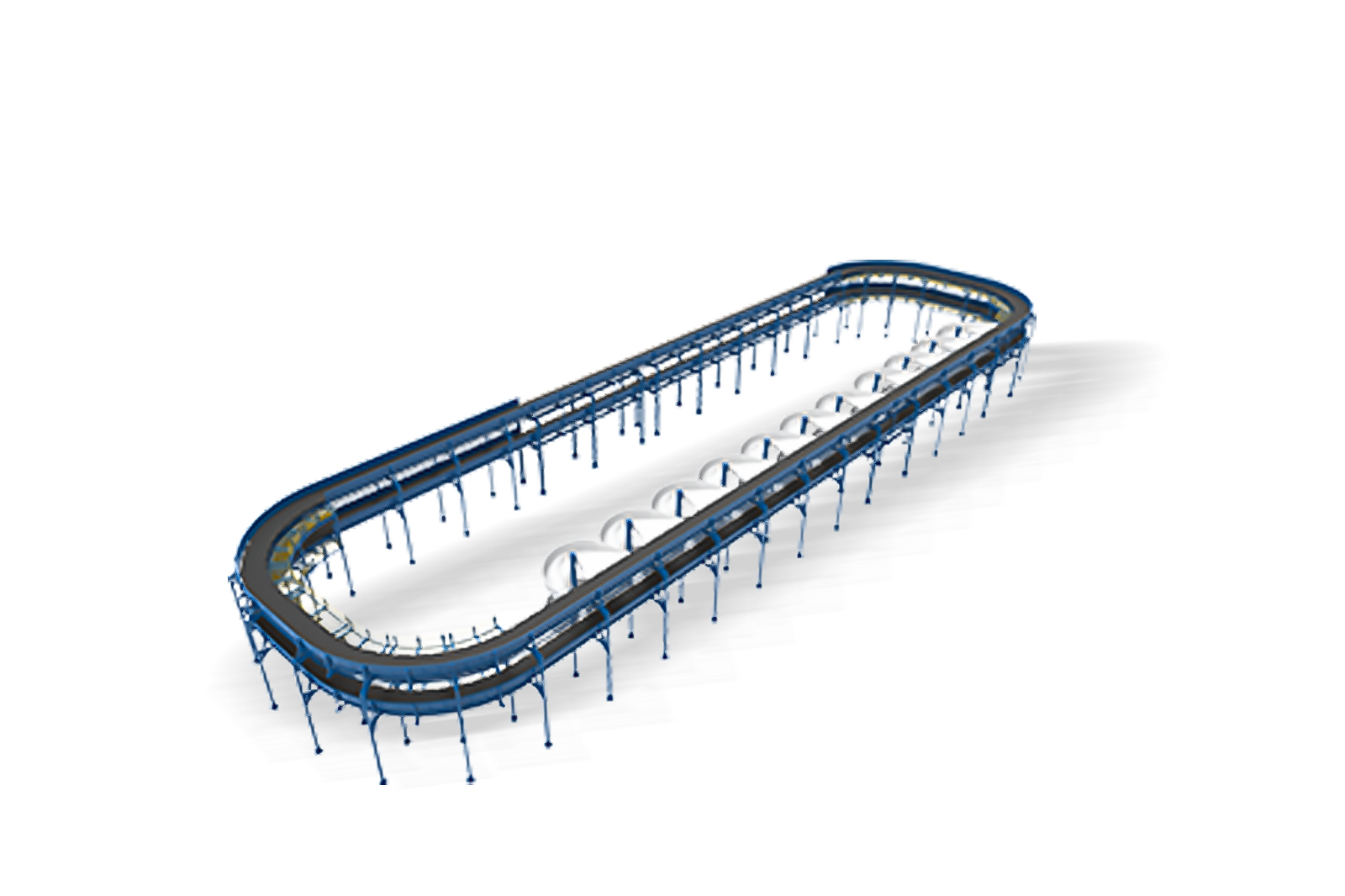
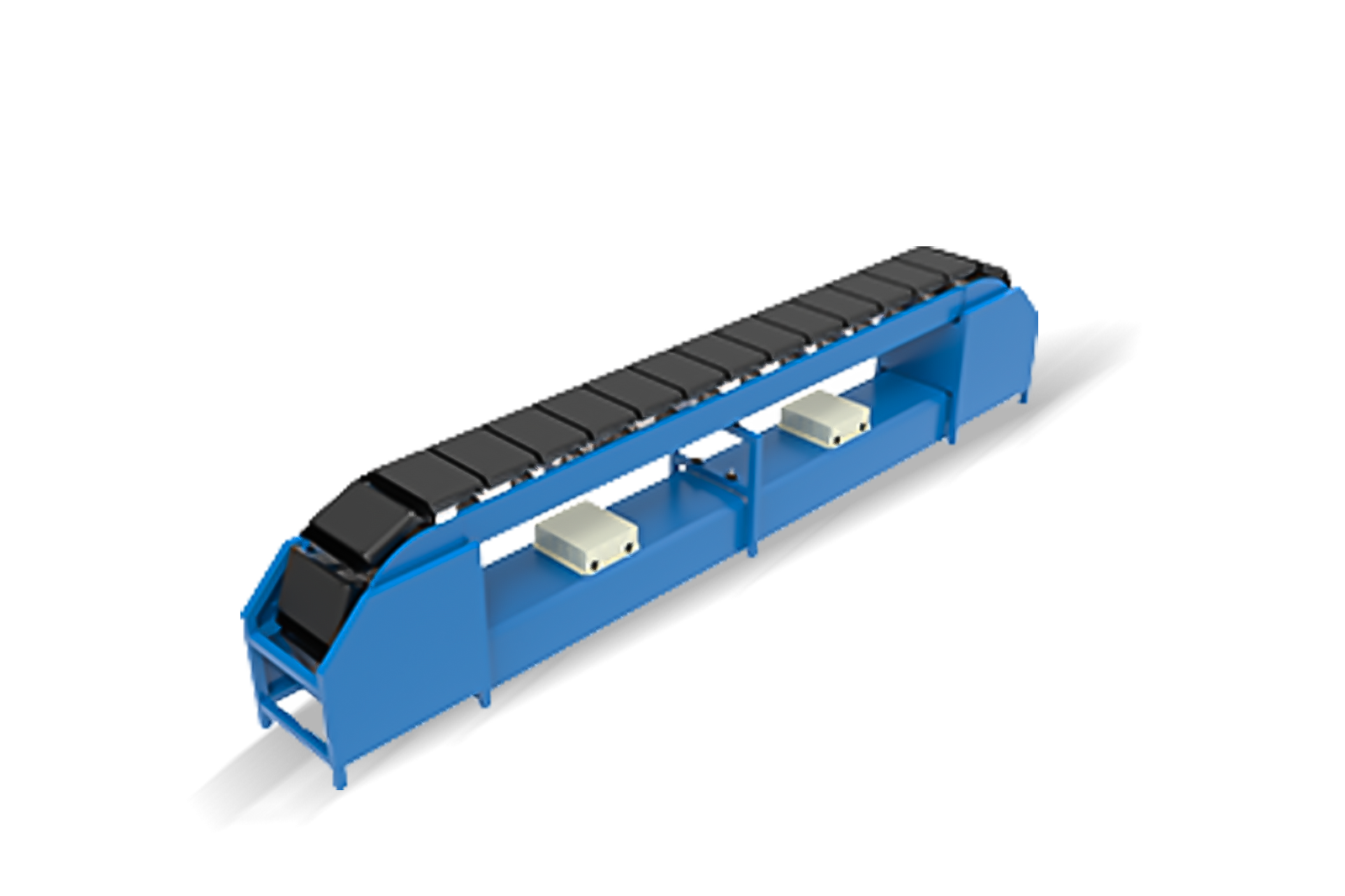
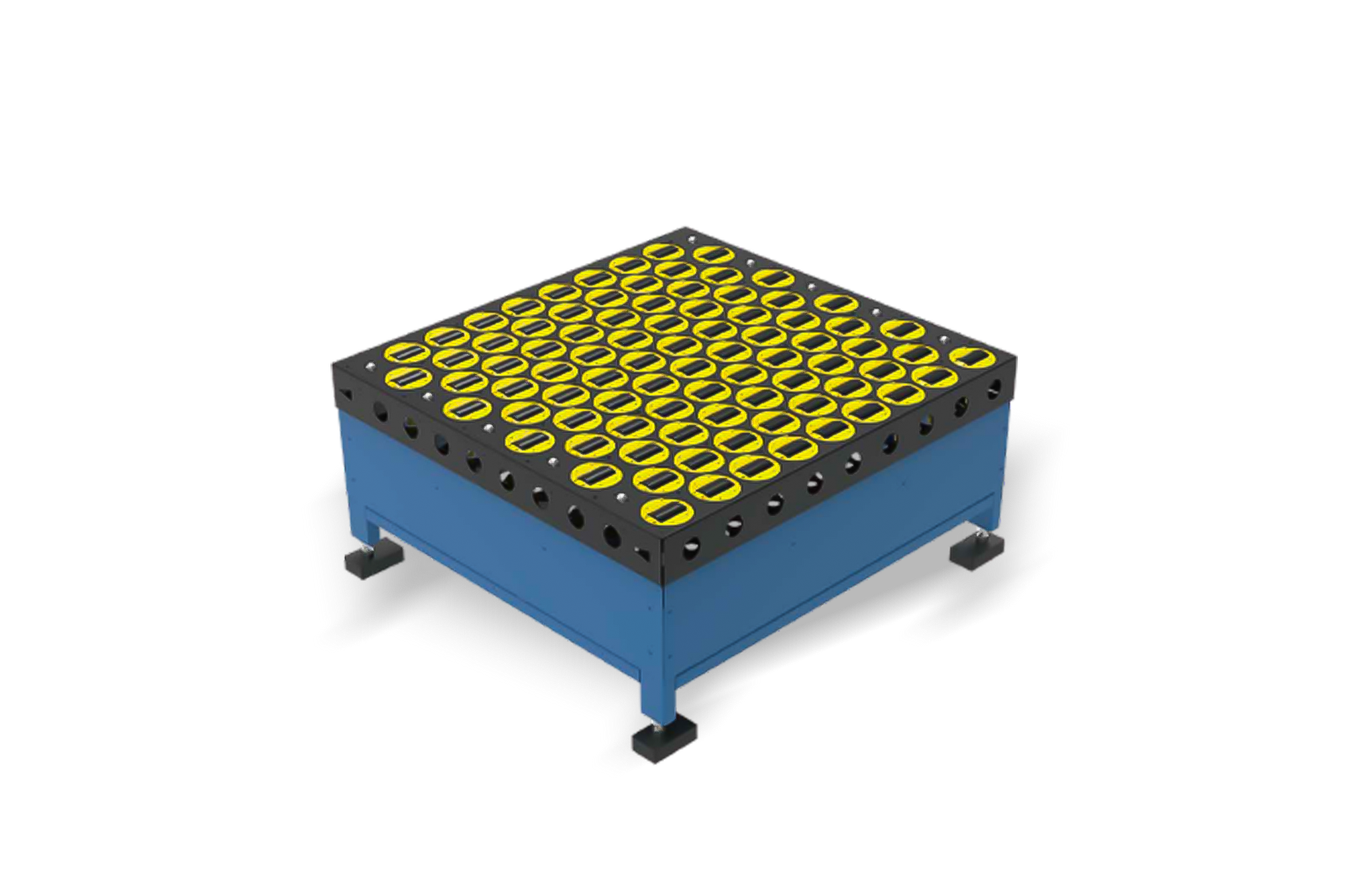
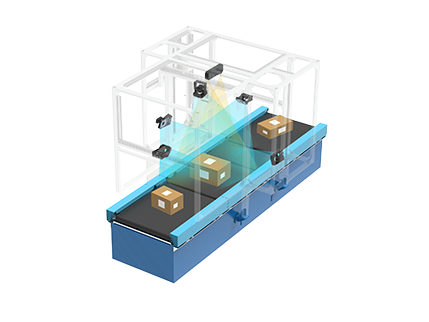
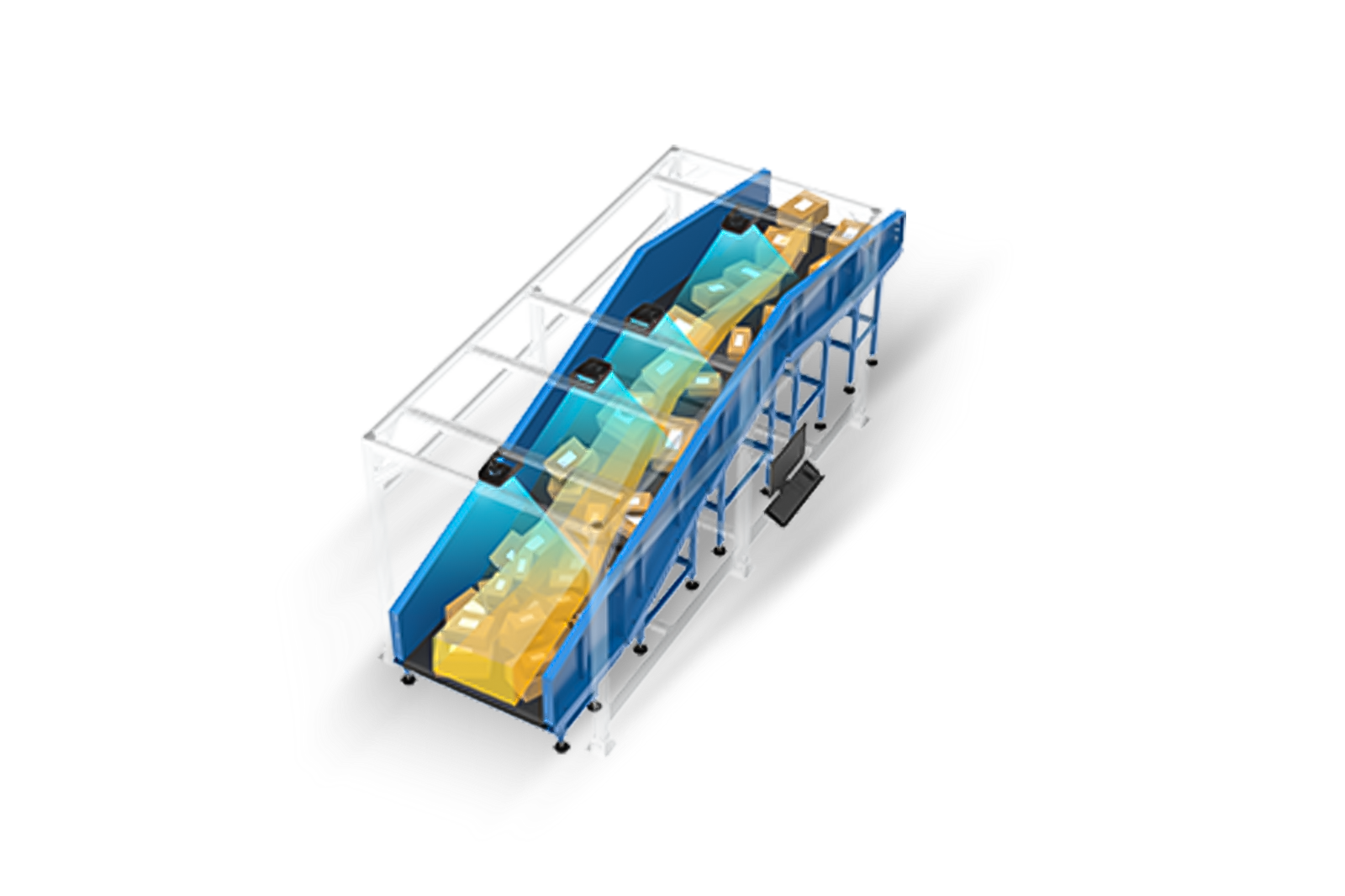
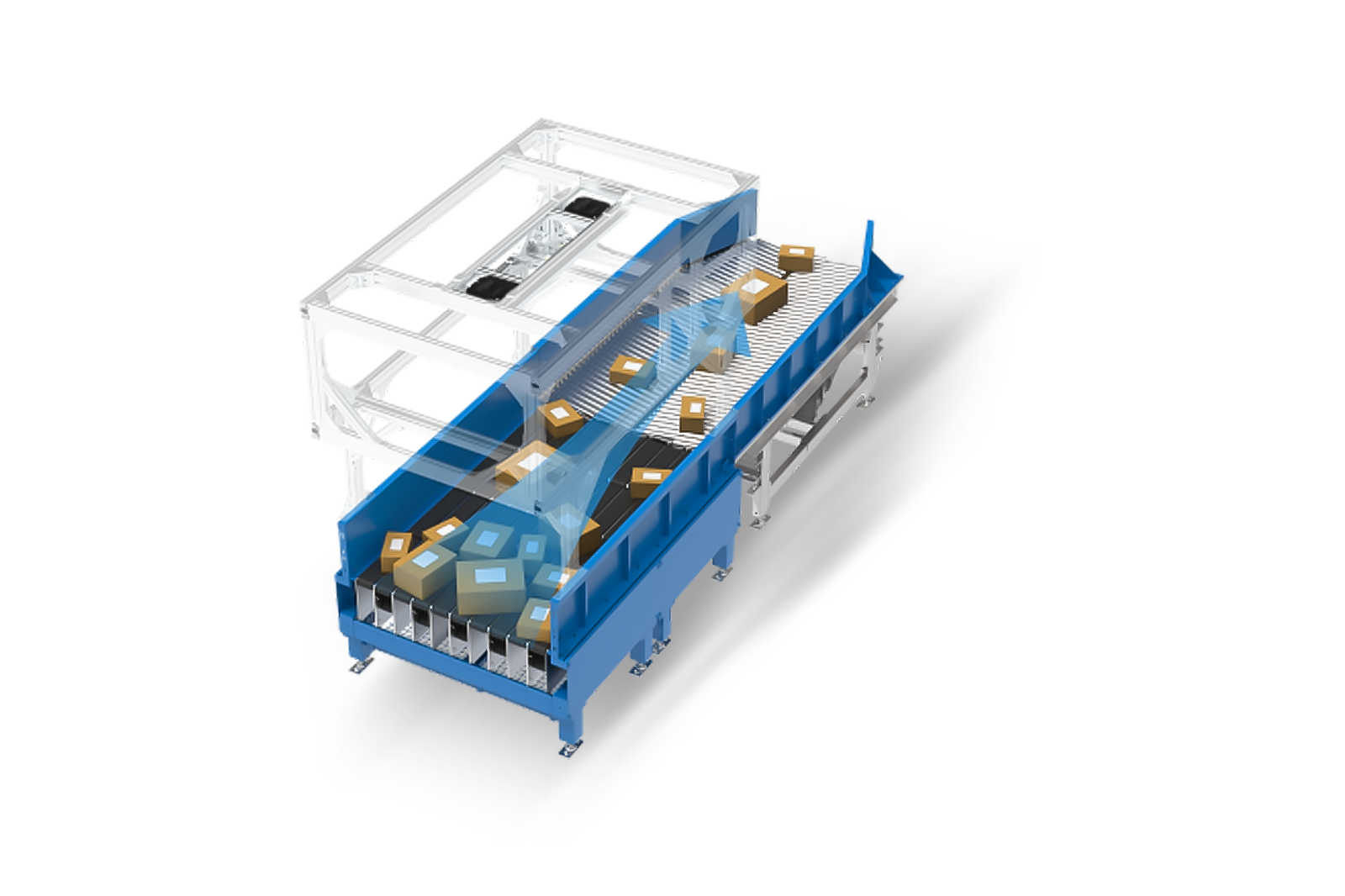
The cross-belt sorter is a conveyor sorting machine consisting of multiple continuous carriers running at high speed within a fixed track. The equipment can continuously and efficiently sort large batches of all types of small parcels, cases and boxes, from light and small envelopes to goods weighing up to 30 kg.
The 500 pitch linear cross belt sorter stands as a pinnacle of warehouse automation technology engineered specifically for high volume parcel and package handling in demanding distribution environments. This advanced system leverages innovative linear motor driven design to provide precise reliable and rapid item diversion across multiple destinations.
Vehicle dimensions pitch by width: 412 by 700 millimeters
Carrier tape size: 1468 by 400 by 2 millimeters
Carrier tape drive mode: Roller motor
Built in power supply mode: Insulating conductive rail
Sorting line drive mode: Linear motor
Performance Capabilities
Sorting capacity: 9500 pieces per hour at a line speed of 1.5 meters per second
Sorting accuracy: 99.9 percent or higher
Sorting line speed: 1.5 meters per second
Sortable Item Range
Item dimensions length by width by height: 150 by 150 by 50 millimeters minimum to 500 by 400 by 400 millimeters maximum
Item weight range: 0.05 to 30 kilograms
Feeding and Recognition Systems
Package feeding methods: Automatic package feeding or manual package feeding
Image recognition options: Six sided scan or top surface scan
Additional feature: Optional detection of items on the belt
Operational Advantages and Implementation Considerations This sorter delivers substantial value across multiple operational dimensions by combining high throughput with exceptional precision enabling facilities to scale seamlessly during peak seasons without proportional increases in labor or error rates. The broad item compatibility range accommodates everything from lightweight small format parcels near the minimum thresholds to heavier bulkier packages making it particularly effective for mixed inventory catalogs common in e commerce and retail logistics. Edge cases such as handling fragile or irregularly shaped items are addressed through the optional belt detection feature which enhances monitoring and reduces the risk of jams or misroutes in variable flow scenarios.
From an integration standpoint the flexible feeding options support both fully automated induction lines and hybrid manual assisted processes allowing straightforward incorporation into existing warehouse layouts without major redesigns. The linear motor drive and insulating conductive rail contribute to lower maintenance demands smoother acceleration profiles and improved energy efficiency over time which translates into reduced operational costs and higher overall system uptime. In practical applications these attributes not only elevate daily processing volumes but also improve end to end supply chain reliability by virtually eliminating mis sorts and supporting advanced data capture for quality control and traceability. For forward thinking warehouse operations this equipment represents a strategic investment that balances immediate performance gains with long term scalability and adaptability to evolving fulfillment demands.