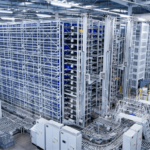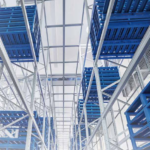

Australian warehouses are changing at a pace few in the logistics sector predicted five years ago. Labour pressures, surging ecommerce volumes and tightening margins have converged to make automated warehouse systems not just desirable but operationally essential. Whether you operate a single distribution centre or manage a national fulfilment network, understanding what is driving this shift and evaluating your own warehouse automation readiness will determine how effectively your operation competes over the next decade.
We provide end-to-end warehouse automation solutions, work with businesses across the country to plan, supply and implement the systems covered in this article. The guidance below draws on current market conditions and practical experience across a range of Australian warehouse environments.
What Is Driving Warehouse Automation Across Australia?
Labour Shortages and Rising Operational Costs
Australia’s warehouse and logistics sector has faced persistent labour shortages since 2021. The combination of an ageing workforce, competition from adjacent industries and wage growth above the national average has made manual picking, packing and material handling increasingly expensive. For many operators, the cost equation has shifted: the ongoing expense of unfilled shifts and overtime premiums now exceeds the capital investment required for automation.
Ecommerce Growth and Consumer Expectation Shifts
Online retail continues to expand. Australian consumers now expect same-day or next-day delivery as standard, placing enormous pressure on warehouse throughput and order accuracy. Fulfilment windows that once spanned 48 to 72 hours have compressed to under 24. Manual processes struggle to maintain the speed and precision that these service level agreements demand, making ecommerce fulfilment one of the strongest drivers behind the push for automated warehouse solutions.
Space Constraints in Australian Distribution Centres
Land costs in Sydney, Melbourne and Brisbane industrial corridors have risen sharply, making new facility construction prohibitively expensive for many operators. Instead, businesses are looking to extract more from existing footprints. High-density storage technologies and vertical automation allow warehouses to store significantly more product per square metre without expanding their physical boundaries.
Ready to Automate Your Warehouse Operations?
Get a tailored automation assessment for your facility from SmartlogitecX.
Which Automated Warehouse Systems Are Australian Businesses Adopting?
Automated Guided Vehicles and Autonomous Mobile Robots
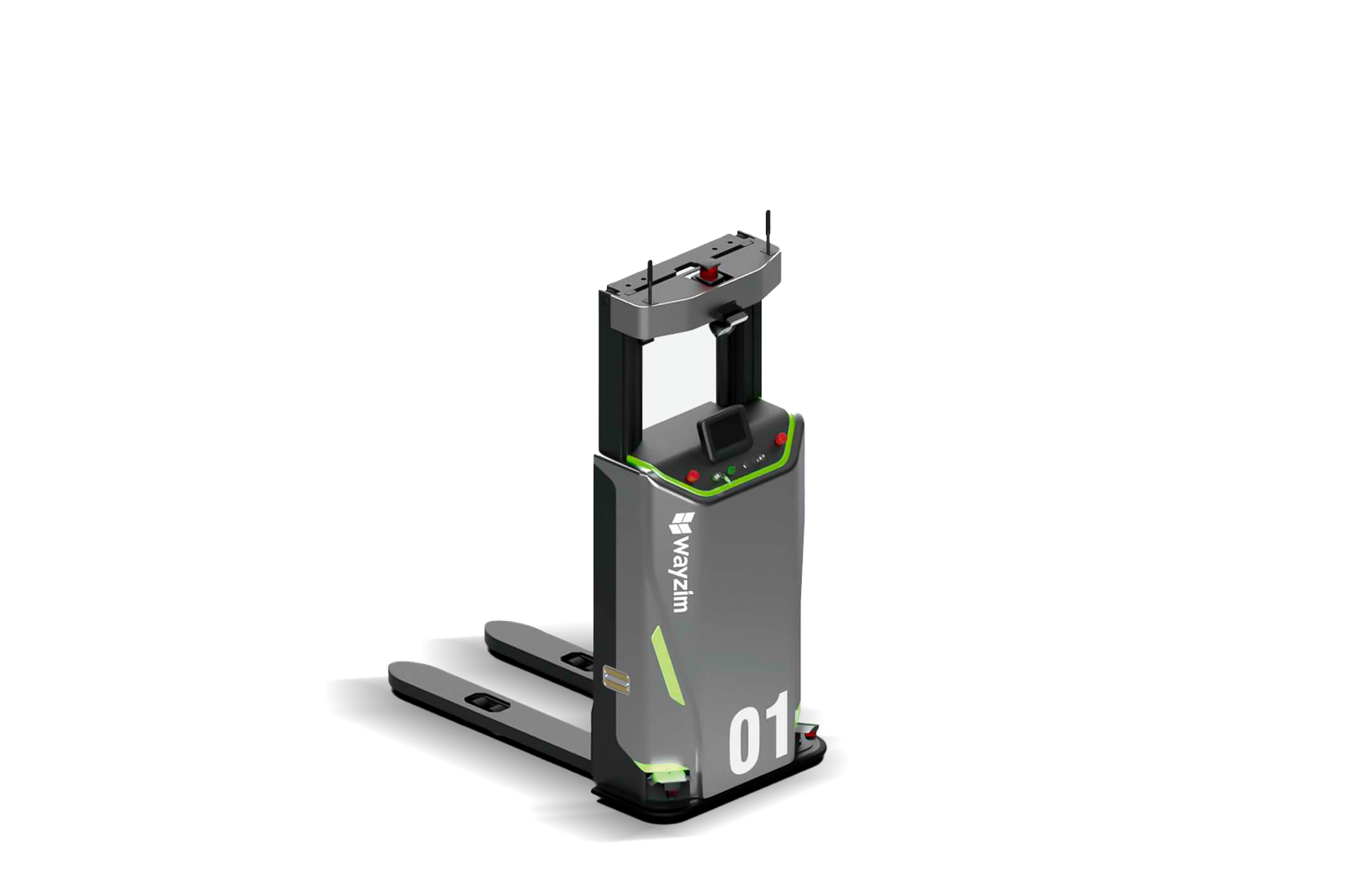
Automated guided vehicles (AGVs) have become a common entry point for warehouse automation in Australia. These self-navigating machines handle pallet transport, replenishment and internal logistics without manual intervention. The Fork AGV, for instance, replaces traditional manned forklifts in repetitive transport tasks, offering consistent throughput with reduced workplace safety risk. AGV adoption is particularly strong in warehouses handling standardised pallet loads across predictable routes.
Conveyor Systems and Automated Sorting Solutions
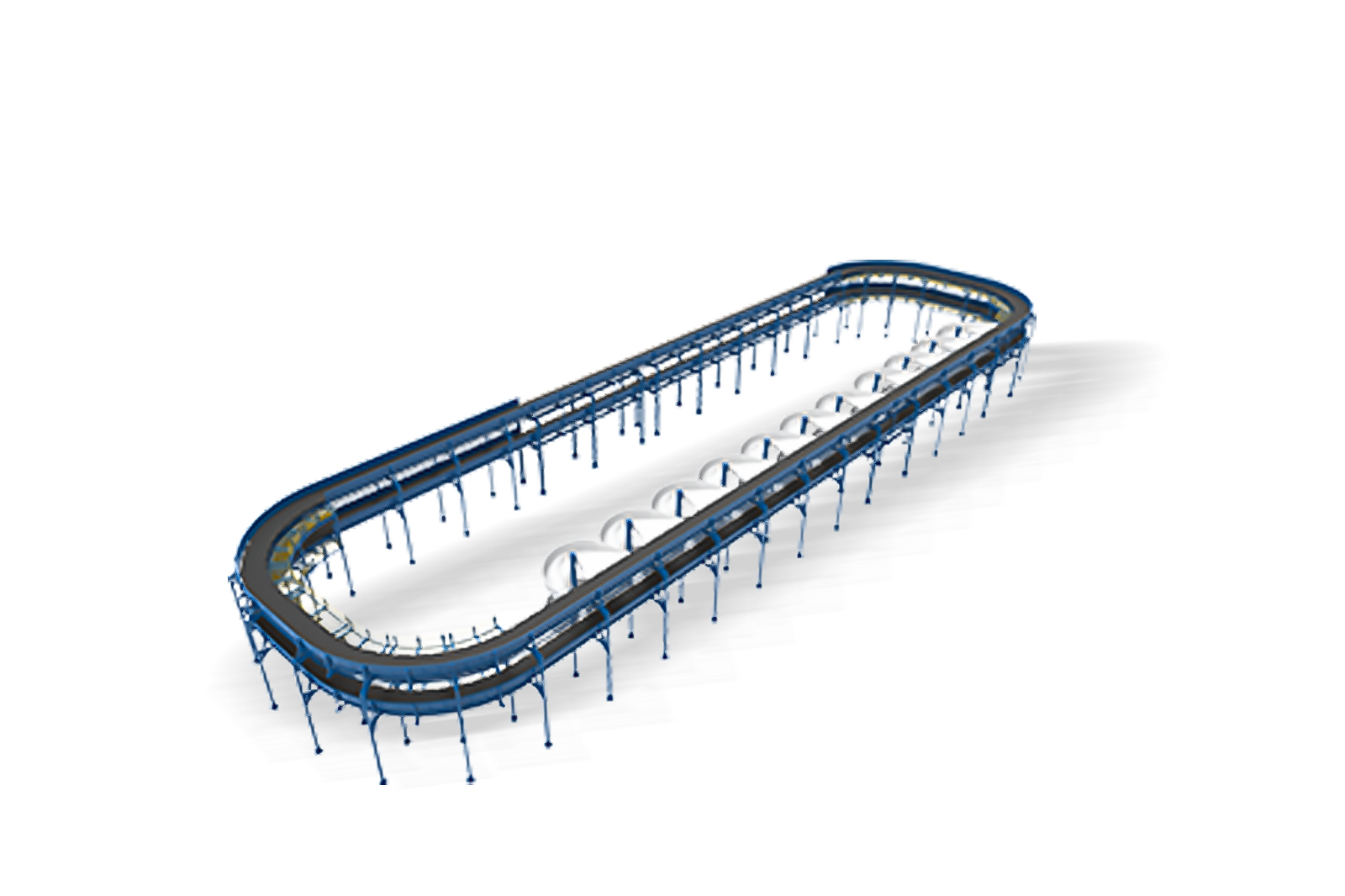
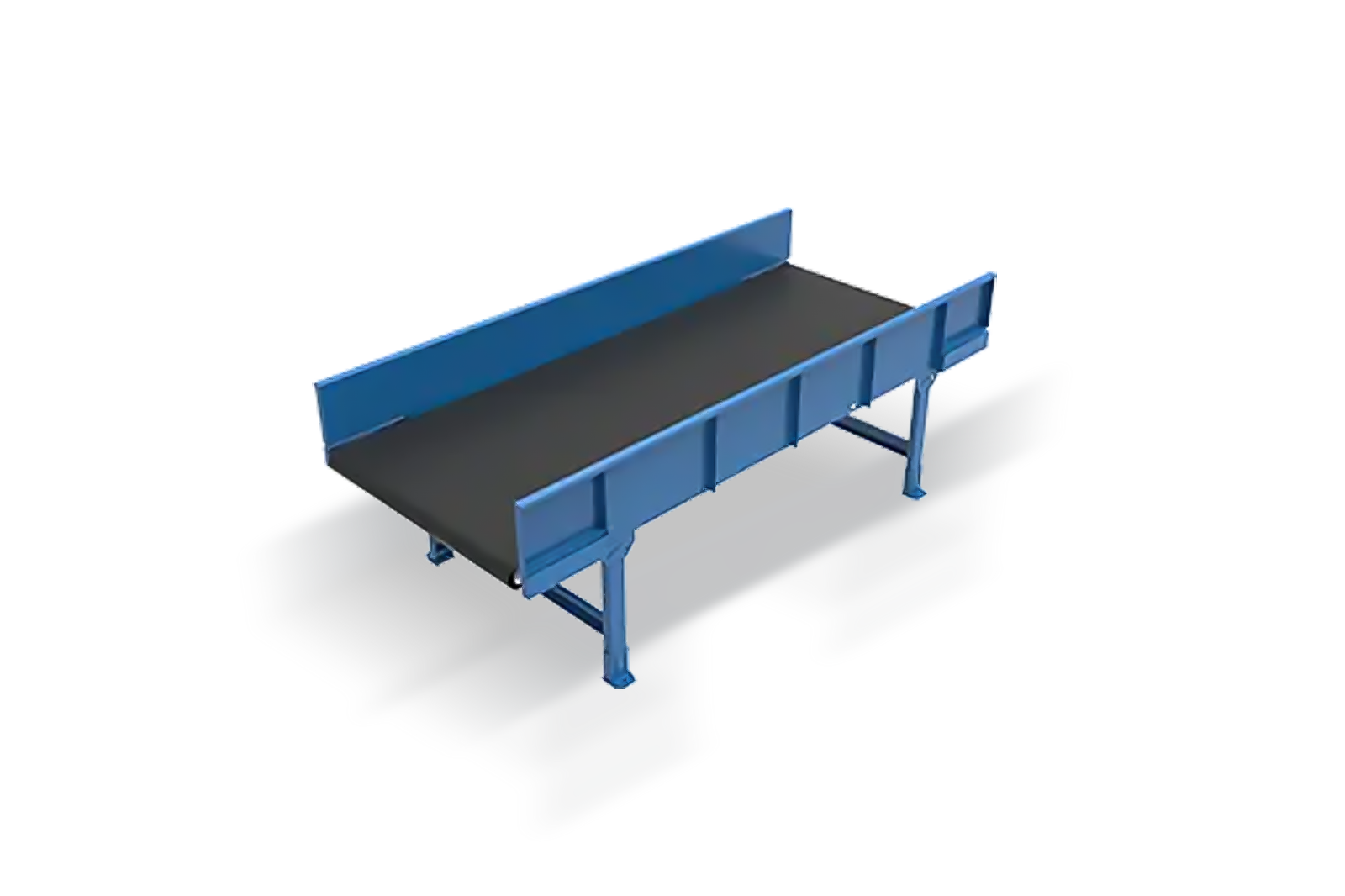
Conveyor infrastructure remains the backbone of most automated warehouse operations. Belt Conveyors provide reliable, continuous movement of goods between zones, while automated sorting systems such as the Cross Belt Sorter handle high-speed parcel and carton routing for express parcel logistics operations. Together, these systems reduce reliance on manual handling and significantly increase the volume a facility can process per hour.
AS/RS and High Density Storage Technologies
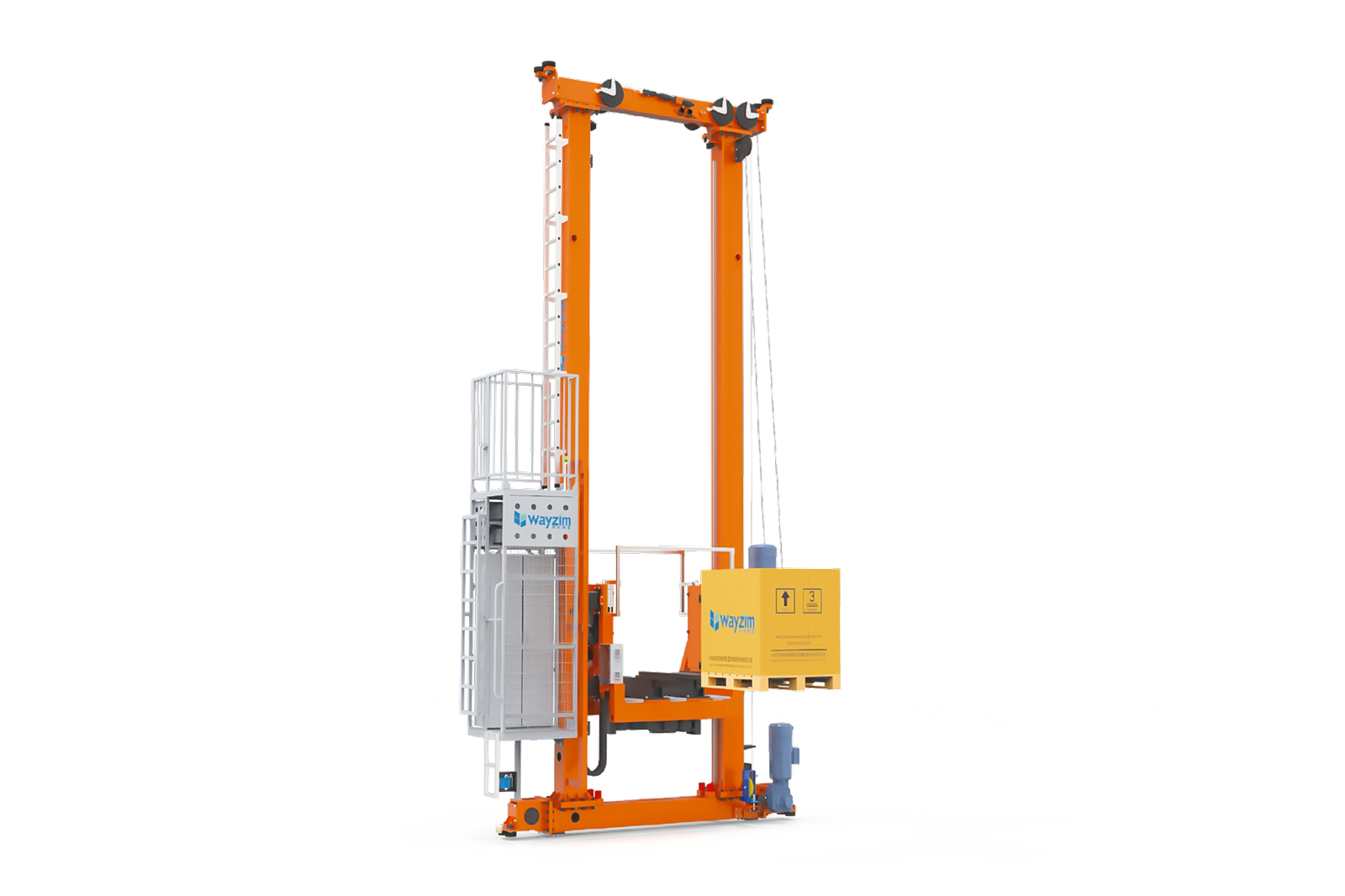
Automated storage and retrieval systems (AS/RS) represent the most significant capital investment in warehouse automation, but they also deliver the highest returns in storage density and picking efficiency. The ASRS Pallet Stacker Crane enables rapid, precise access to pallet loads stored at heights manual operations cannot reach.
For operations requiring flexible, dense storage configurations, the Pallet Four Way Shuttle provides multidirectional pallet movement within racking systems, maximising use of available cubic space. These warehouse storage systems are especially relevant for cold chain and pharmaceutical warehousing, where labour access to storage areas carries additional compliance and safety considerations.
How to Assess Your Warehouse Automation Readiness
Five Signals Your Warehouse Is Ready for Automation
Not every warehouse needs to automate immediately, and not every automation project delivers value. Assessing warehouse automation readiness before committing capital is a critical step that too many businesses skip. Five signals suggest your operation is ready.
First, labour costs are rising faster than revenue per order. Second, picking or packing error rates are increasing despite training investment. Third, storage utilisation consistently exceeds 85 per cent of available capacity. Fourth, order volumes are growing beyond what current staffing models can support. Fifth, customer SLA penalties or complaints are becoming a measurable cost line.
If three or more of these conditions apply, automation will likely deliver a positive warehouse ROI within 24 to 36 months.
Common Readiness Mistakes to Avoid
The most frequent mistake is automating the wrong process first. Businesses sometimes invest in complex systems before addressing fundamental workflow and layout issues. Another common error is underestimating integration requirements. Automation hardware is only as effective as the warehouse management software it connects to. SmartLogitecX advises clients to map their existing processes thoroughly and identify the highest-impact bottleneck before selecting specific equipment.
A Phased Approach to Implementing Warehouse Automation in Australia
Starting Small: Conveying and Sorting as Entry Points
A phased automation approach reduces risk and allows teams to build operational confidence before scaling. The most effective starting point for many Australian warehouses is conveying and sorting infrastructure. These systems deliver immediate, measurable improvements in throughput without requiring a complete facility redesign.
Data capture technology such as the DWS Dynamic Weighing & Scanning system adds another layer of value at this stage, automating parcel measurement and weight recording to eliminate manual data entry and improve shipping cost accuracy.
Scaling Up: Integrating AS/RS, AGVs and Intelligent Warehousing
Once foundational conveying and sorting systems are established, the next phase typically introduces intelligent warehousing capabilities. This includes AS/RS deployments, AGV fleets and integrated warehouse management systems that coordinate the full operation. SmartLogitecX supports phased deployments designed to minimise disruption, allowing businesses to maintain normal operations while new systems are commissioned and tested. This staged approach ensures each investment is validated before the next begins.
Frequently Asked Questions
What is warehouse automation readiness, and how do I assess it?
Warehouse automation readiness refers to how prepared a facility is to adopt automated systems based on factors such as current throughput demands, labour costs, storage utilisation and process maturity. A structured assessment compares these factors against the capabilities of available automation technologies.
How much does warehouse automation cost in Australia?
Costs vary significantly depending on scope. A basic conveyor and sorting installation may start from $250,000, while a full AS/RS deployment with AGVs can exceed $2 million. SmartLogitecX provides tailored quotes based on each facility’s specific requirements.
Which industries benefit most from automated warehouse systems?
Ecommerce retail, third-party logistics (3PL), pharmaceutical distribution, cold chain operations and manufacturing all see strong returns from warehouse automation.
What is an automated storage and retrieval system?
An AS/RS is a technology that automatically places and retrieves goods from defined storage locations, typically using stacker cranes or shuttle systems within high-bay racking.
Can I automate my warehouse in stages rather than all at once?
Yes. A phased automation approach is the most common and recommended strategy, starting with conveying and sorting before expanding to AS/RS and AGV systems.
What ROI should I expect from warehouse automation?
Most operations achieve positive ROI within two to four years, driven by labour cost reduction, improved throughput, higher order accuracy and better space utilisation.
How long does a typical warehouse automation project take to implement?
Smaller conveyor installations can be completed in eight to twelve weeks. Full-scale AS/RS and intelligent warehousing projects typically require six to eighteen months from planning to commissioning.
What is the difference between an AGV and an AMR?
An AGV follows fixed, predetermined paths using floor markers or magnetic tape. An AMR uses onboard sensors and software to navigate dynamically, adapting to changing warehouse layouts in real time.
Preparing Your Australian Warehouse for the Automation Era
Australian warehouses are automating because the economics, labour conditions and customer expectations demand it. The businesses that act early, assess their readiness honestly and adopt a phased approach will be best positioned to scale efficiently as demand continues to grow.
Whether your operation needs a single Belt Conveyor line or a fully integrated automated warehouse automation solution, SmartLogitecX offers the product range and implementation expertise to support every stage of the journey.